Flat removals in Myatts Field Estate SW2: a practical local guide
If you are planning Flat removals in Myatts Field Estate SW2, the hardest part is rarely the lifting itself. It is the coordination: stairwells, parking, neighbours, lift access, fragile items, and that slightly chaotic moment when a sofa looks simple in the hallway but suddenly becomes a geometry problem. Truth be told, flat moves in this part of south London reward good planning more than brute force.
This guide walks you through what flat removals involve, why they need a slightly different approach from house moves, and how to make the process smoother from the first quote to the final box being placed in the right room. Along the way, you will find practical checks, common mistakes to avoid, and a few real-world details that matter more than people expect. If you want a broader look at service types, it can also help to compare the company's removal services, home moves, and packing and unpacking services.
- Why this kind of move matters
- How the move works
- Key benefits and practical advantages
- Who it is for
- Step-by-step guidance
- Expert tips
- Common mistakes to avoid
- Tools, resources and recommendations
- Law, compliance and best practice
- Options and comparison table
- Case study example
- Practical checklist
- Conclusion
- Frequently asked questions
Why Flat removals in Myatts Field Estate SW2 Matters
Flat removals in Myatts Field Estate SW2 matter because flats tend to be less forgiving than houses. There is usually less space to manoeuvre, more shared access to think about, and more chance that timing affects other people in the building. A move that is perfectly manageable in a detached house can become awkward in a block of flats if you do not plan the route, the parking, and the load order properly.
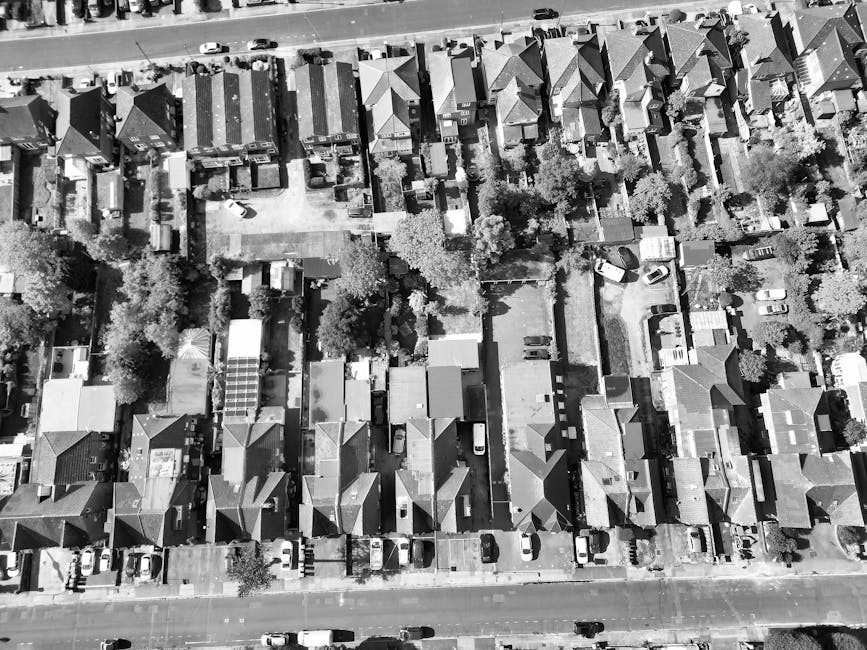
Myatts Field Estate has the kind of residential layout where small details can save or cost you a lot of time. A narrow corridor, a tight stair landing, a lift that is busy on a weekend, or a parking bay a little further from the entrance than you expected - these things add up. And once you are standing there with a wardrobe that is just a bit too wide, the day gets longer, fast.
That is why flat moves are not just about transport. They are about access management, careful handling, and understanding the rhythm of the building. The best outcomes usually come from movers who ask the right questions before the move date, not after they arrive. If you are unsure what level of help you need, it is worth looking at a trusted removal company or, for smaller jobs, a flexible man and van option.
Expert summary: The real success factor in flat removals is not speed alone. It is planning the access, protecting the property, and matching the vehicle and crew to the building layout.
How Flat removals in Myatts Field Estate SW2 Works
In practical terms, a flat removal usually follows a straightforward pattern, but each stage needs a bit of care. The process begins with an inventory or at least a clear description of what is being moved. Then comes access planning: stairs, lift use, parking, entry codes, and any restrictions around the building. After that, the team loads the items in a way that protects fragile pieces and uses the truck or van space efficiently.
For a local flat move, the booking stage matters more than most people realise. If the moving crew does not know whether there is a lift, how many flights of stairs they need to manage, or whether the entrance is shared with several other homes, they may arrive with the wrong vehicle size or too few hands. That is not dramatic, just inconvenient. Nobody wants a second trip because the freezer and the bed base were not counted properly.
The move day itself often runs best when everyone knows the order of events. Typical good practice looks like this:
- Confirm arrival time and access details.
- Protect floors, door frames and vulnerable corners.
- Load the heaviest furniture first, followed by boxed items and soft goods.
- Keep essential items separate so they are easy to find on arrival.
- Unload room by room at the new flat, rather than leaving everything in one pile.
For some households, a compact vehicle is enough. For others, especially when moving from a larger flat or taking lots of furniture, a dedicated moving van or even a larger moving truck is the better fit. The right choice depends on volume, access, and how many trips you want to avoid.
Key Benefits and Practical Advantages
A well-planned flat removal gives you more than just a change of address. It reduces stress, protects possessions, and cuts the risk of accidental damage in shared areas. That last part is important. In flats, damage to a wall, stair rail, or hallway floor can become more than a personal inconvenience because it may affect neighbours or the building manager too.
Here are the biggest practical benefits:
- Less disruption: organised loading and unloading keeps the move moving.
- Better protection: proper wrapping and handling reduce the chance of scratches, chips and breakages.
- Smarter vehicle choice: choosing between a van, truck, or mixed crew helps avoid wasted time.
- Safer lifting: professionals know how to manage awkward furniture on stairs without rushing it.
- Cleaner handover: a tidy exit and arrival can make deposit returns and building relations easier.
There is also a less obvious benefit: peace of mind. Once you know the job has been mapped properly, you stop mentally carrying the move around all week. That sounds small. It is not small, not really.
Some customers also value the option to combine moving with furniture pick up or disposal support if they are downsizing. When people move from a one-bed flat into a smaller space, they often realise half the furniture no longer earns its keep. That is just life, and a decent removal plan should allow for it.
Who This Is For and When It Makes Sense
Flat removals in Myatts Field Estate SW2 are a sensible choice for a wide range of people, but especially for anyone who wants the move done carefully and without turning the day into a long puzzle. It makes sense if you are moving out of a studio, one-bed, two-bed, or a compact family flat where stairs, lifts or shared access are part of the picture.
This type of service is particularly useful for:
- renters moving between flats with limited access windows
- first-time movers who want help planning the day properly
- people with heavy or awkward furniture
- older residents or busy professionals who would rather avoid the physical strain
- flat sharers dividing belongings and moving on different schedules
- landlords and agents arranging a quick turnaround between tenancies
It also makes sense when you are not moving a huge amount. In those cases, a smaller setup such as man with a van, man with van, or removals near me style local service may be a better fit than a full-size team. The trick is matching the service to the actual job, not the ideal version of it in your head.
Let's face it: most flat moves are not enormous, but they still involve enough moving parts to go sideways if you improvise.
Step-by-Step Guidance
If you want the move to feel orderly rather than frantic, use a simple process. You do not need a military operation. Just a clear one.
1. List everything that needs to move
Start with furniture, appliances, boxes, outdoor items, and anything fragile or unusually shaped. A rough list is better than none. If you have a bike, a TV, a mirror, a desk, three lamps and a sofa bed, say so. If something is not mentioned upfront, that is where delays start creeping in.
2. Check access at both ends
Measure stairwells if needed, note lift size, and think about parking distance. Are there resident-only spaces? Is there a loading point? Can the van stop close enough to the entrance? In flats, access can be the whole story.
3. Decide what you are taking and what you are leaving
This is a good point to be a little ruthless. A move is often the best time to sort out duplicates, old cushions, broken shelves, and that one chair nobody actually likes. If you need to clear items responsibly, recycling and sustainability guidance is a useful mindset to apply before the moving day arrives.
4. Reserve packing materials early
Boxes, tape, bubble wrap, wardrobe covers, labels and marker pens all sound simple until you need them at 9pm. Pack room by room where possible and label the top and one side of each box. That tiny habit saves ages later.
5. Book the right vehicle and help
A compact job may suit a van. A fuller flat with heavy items may need a bigger vehicle and an extra pair of hands. If you are unsure, ask for a recommendation based on your inventory rather than guessing.
6. Prepare the flat before move day
Disconnect appliances safely, empty drawers if necessary, secure loose parts, and keep hallways clear. If you are in a managed block, tell the building contact or concierge in advance. A quick heads-up can prevent a long wait at the door.
7. Keep essentials separate
Make one bag or box for keys, chargers, documents, medication, snacks, and kettle essentials. The first evening in a new flat is much calmer if you can make tea without opening twelve identical boxes. A small miracle, really.
Expert Tips for Better Results
There are a few small things that make flat removals noticeably easier. None are glamorous. All are useful.
- Book earlier than you think you need to. Local moves can look easy until the calendar fills up.
- Measure furniture against doorways and stair turns. A sofa that fits the room may still fight the corridor.
- Use consistent labels. Bedroom, kitchen, bathroom, living room - simple and obvious is best.
- Photograph cable setups before unplugging. Especially if you have a TV, router, monitor or games console setup you want to restore quickly.
- Keep a small tool kit handy. Allen keys, scissors, tape, and a screwdriver can save the day.
- Protect floors and corners. Even in a short move, scuffs happen when people rush.
One practical tip I always like: put all screws, brackets and small fittings in one labelled bag and tape it to the furniture item itself. It sounds obvious. People still lose them. Every single week, probably.
If you want a more hands-off move, it can be worth combining the job with packing and unpacking services. That is especially helpful if you work long hours or have children around underfoot on moving day.
Common Mistakes to Avoid
Most problems in flat removals are avoidable. They usually come from assumptions. The biggest one is assuming there will be enough space, enough time, and enough energy. Sometimes there is. Often there is not.
- Underestimating volume: flat living creates more boxes than you expect.
- Ignoring access constraints: stairs, parking, and lift rules need checking early.
- Leaving packing until the night before: that is how fragile items get rushed.
- Forgetting building rules: some flats have quiet hours or booking rules for lifts.
- Not separating essentials: then the first evening becomes a hunt for toiletries and phone chargers.
- Choosing the wrong vehicle size: too small means extra trips; too large can be awkward to park.
A slightly less obvious mistake is not telling the movers about heavy or unusual items. Items like large mirrors, American-style fridges, marble-topped tables or awkward office chairs need to be mentioned. Surprises are fun in birthdays, not so much in removals.
Tools, Resources and Recommendations
You do not need a warehouse of equipment, but the right tools make the day smoother. For most flat removals, the essentials are basic and practical.
- double-walled boxes for heavier items
- strong packing tape and a tape dispenser
- bubble wrap or paper for fragile belongings
- wardrobe boxes or garment covers if you want clothes to stay tidy
- marker pens and printed labels
- door protectors, floor coverings and blankets for furniture protection
- a clear inventory list, even if it is simple
For service choice, it is worth comparing whether you need a full team, a flexible small-load option, or something in between. The company's house removals, house movers, and house removalists pages can help you understand the broader service range if your flat move is part of a larger home relocation.
For business moves from flats used as workspaces, a look at office removals or office relocation services may also be relevant. Some people run a home office from a flat and need to move both domestic and work equipment together. Not rare at all these days.
Law, Compliance, Standards, or Best Practice
For flat removals, compliance is mostly about sensible UK moving practice rather than complicated legal language. The key points are straightforward: goods should be handled carefully, access should be managed responsibly, and any removals business should operate with appropriate insurance and clear terms.
It is also normal for customers to ask about damage cover, payment security, health and safety procedures, and complaint handling. Those are not awkward questions. They are the right questions. A trustworthy provider should be open about its insurance and safety, health and safety policy, payment and security, and terms and conditions.
Best practice also means respecting shared spaces. In a flat block, that includes avoiding unnecessary noise, protecting communal floors and walls, and not blocking entrances. Common courtesy, basically, but it makes a difference. If a mover treats a shared hallway as just another corridor, you tend to notice it.
Privacy matters too, especially when keys, entry codes or personal details are involved. If you want to understand how information is handled, review the provider's privacy policy before booking.
Options, Methods, or Comparison Table
Not every flat move needs the same setup. Some are quick and light; others are bigger, slower and a little more delicate. Here is a simple comparison to help you think it through.
| Option | Best for | Strengths | Watch outs |
|---|---|---|---|
| Man and van | Small flats, lighter loads, short local moves | Flexible, usually quicker to arrange, efficient for fewer items | May not suit very bulky furniture or larger inventories |
| Dedicated van service | Medium flat moves with a moderate number of boxes and furniture | Good balance of capacity and manoeuvrability | Needs accurate sizing and access planning |
| Full removals team with larger vehicle | Full flat contents, awkward items, or moves with stairs and heavy furniture | More support, better for complex jobs, less lifting for you | May be more than needed for very small moves |
If you are sitting there wondering, "Do I really need the bigger option?" the honest answer is: maybe. If the sofa, bed and wardrobe all need to go, it is usually better to err slightly on the generous side than to gamble on one small vehicle and a heroic attitude.
For jobs that sit somewhere between a simple flat move and a larger household relocation, man and van removals and man with van removal style services can be a useful middle ground.
Case Study or Real-World Example
Here is a realistic example based on the kind of job people often face in Myatts Field Estate SW2. A tenant is moving from a two-bedroom flat on an upper floor into a nearby property. The inventory is modest but not tiny: bed frames, mattress, sofa, dining table, six boxes of books, kitchen items, and a chest of drawers.
The move looks simple at first glance. Then the details show up. The stairwell is narrow. The parking space near the entrance is shared. One large wardrobe needs partial dismantling. There is a lift, but it is small and can only take one or two items at a time. Nothing impossible, just enough to make planning worth it.
The move goes much better once the following decisions are made early:
- the heavier furniture is dismantled before moving day
- books are split into smaller boxes to keep them lift-friendly
- the van is booked with a realistic arrival window
- essentials are packed separately and kept near the door
- the new flat is checked for bedroom and kitchen access before unloading starts
The result is not flashy. It is just calm, efficient and manageable. The person moving does not spend the afternoon arguing with a wardrobe in a hallway. Which, to be fair, is already a win.
Practical Checklist
Use this checklist in the final 48 hours before the move. It is simple on purpose.
- Confirm the move date and arrival time.
- Recheck access at both properties.
- Notify building management if required.
- Label every box clearly.
- Pack an essentials bag for the first night.
- Protect mirrors, screens and glass items.
- Disassemble furniture that will not fit through the route.
- Keep keys, documents and chargers separate.
- Clear hallway and entrance areas.
- Review insurance, payment and terms before the day.
If you want to dig a little deeper into who is behind the service and how it is run, the about us page is useful background reading. For anything specific about the booking journey, the provider's pricing and quotes page is the sensible next stop.
Conclusion
Flat removals in Myatts Field Estate SW2 are easiest when you treat them as an access-and-logistics job first, and a transport job second. That single shift in thinking changes everything. You plan better, pack smarter, and avoid the little surprises that turn a short move into a long day.
Whether you are moving a few boxes or a full flat, the goal is the same: protect your belongings, keep the move steady, and make the first night in your new place feel like a fresh start rather than a recovery mission. Small details matter here. They really do.
Get a free quote today and see how much you can save.
And if you are still deciding, take your time, ask the awkward questions, and choose the approach that feels calm and properly thought through. That is usually the one that works best.
Frequently Asked Questions
What is included in flat removals in Myatts Field Estate SW2?
Typically, it includes loading, transport, unloading, and careful handling of furniture and boxes. Some moves also include dismantling, packing help, and furniture protection, depending on what you book.
Do I need a man and van or a full removal team?
That depends on how much you are moving and how awkward the access is. A smaller flat with a lighter load may suit a man with a van, while larger or heavier moves usually benefit from a bigger team.
How early should I book a flat removal?
As early as you reasonably can, especially if you want a preferred date or are moving at the end of the month. Flat moves often depend on access windows, so leaving it late can make the day more stressful.
What if my flat has stairs and no lift?
That is common, and a good removals team will plan for it. The key is to mention stairs upfront so the right number of movers and the right equipment can be arranged.
Can the movers help with dismantling furniture?
In many cases, yes, if that service is arranged in advance. It is especially useful for beds, wardrobes, and large tables that would not safely fit through the route as they are.
How do I know if my furniture will fit through the stairwell?
Measure the widest points of the furniture and compare them with doorways, landings, and turns. If anything seems tight, ask the mover to review it before moving day. A quick check can prevent a lot of drama.
What should I pack separately for the first night?
Keep medication, toiletries, a change of clothes, chargers, tea or coffee essentials, important documents, and basic cleaning items in one easy-to-reach bag or box.
Is parking a problem for flat removals?
It can be if you do not plan it. Parking close to the entrance makes a huge difference, so check the local setup, visitor bays, and any restrictions before the move date.
What if I need to move some items to storage or dispose of them?
That can often be arranged alongside the move. If you are clearing out furniture or unwanted items, look at the provider's furniture pick up and sustainability-focused options where appropriate.
How can I keep the move less stressful?
Pack early, label clearly, check access, and keep your essentials separate. Also, try not to overpack boxes. Your future self will thank you, usually around the second trip from the van.
Are my belongings insured during the move?
That depends on the service and the terms you agree to, so always check the provider's insurance information before booking. A reliable company should make this clear and easy to understand.
Can I get help with office equipment from a flat-based home office?
Yes, if your flat is also used as a workspace, you may need a mix of domestic and business moving help. In that case, it is worth reviewing commercial moves or office removals as part of your planning.