Brixton removals in Brixton

Brixton removals should feel organised, careful and clear from the first conversation to the final box being set down. We provide a straightforward moving service for homes and smaller premises, with practical help that covers lifting, carrying, loading and transport in a way that suits the size of the move. The aim is simple: to make the process easier to plan, easier to follow and easier to complete without unnecessary disruption.
Many customers want a service that can handle a full property move, but still remain flexible enough for awkward access, mixed loads and short notice changes. Our removals work can include furniture, boxed belongings, personal items and other household contents that need to travel safely to a new address. For a clearer outline of service options, you can also view our removal services page before you request a price.
If you are arranging a move in Brixton, it helps to choose a team that keeps communication simple and the work practical. Tell us what needs moving, the access at each end and any items that need extra care, then request a quotation when you are ready.
Home removals planned around the move you actually need
Every household move has its own shape. Some involve a compact flat with a few larger pieces of furniture, while others include multiple rooms, storage items and fragile belongings that need more deliberate handling. Our home moves service is intended for customers who want one organised process rather than trying to coordinate separate helpers, vehicle hire and loading on their own. It keeps the work joined up from collection to delivery.
We can support the physical side of relocation with loading and unloading, movement of furniture, and transport of boxed items and household goods. Where a move includes heavier pieces, it is sensible to consider pathways, stair access, parking arrangements and the order in which items should be taken out. Those details can affect the time and effort required, so they are useful to include when asking for a quotation.
Two simple things make the planning stage smoother: a brief list of what is moving and a note of anything that is awkward to carry. If you have items with delicate finishes, oversized dimensions or limited access around doorways and stairwells, mention them early. Clear information helps us match the removal work to the property and avoid unnecessary surprises on the day. When you are ready, request a quotation and we can discuss the move in practical terms.
Packing and unpacking support for more orderly moving days

Packing is often the part of a move that takes longer than expected. Our packing and unpacking services can support customers who want help preparing items for transit or settling them after arrival. Good packing is not just about boxes; it is also about suitable wrapping, sensible grouping and protecting items so they travel in a stable condition. Used well, it can reduce stress and make loading more efficient.
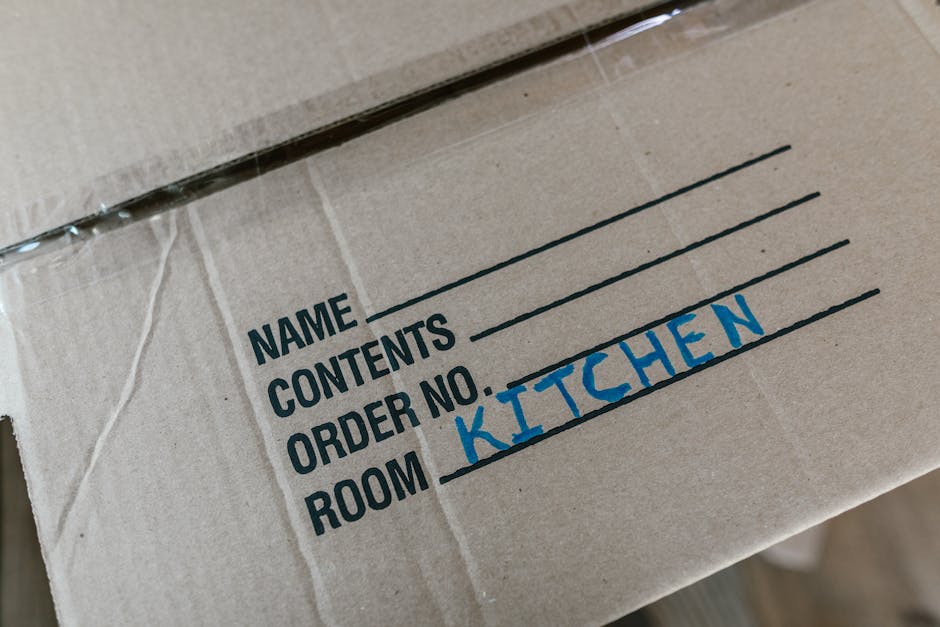
Different belongings need different handling. Books, kitchenware, decorative items, soft furnishings and electronics may all require distinct packing methods, and some items are better moved in smaller batches rather than packed tightly into one container. That is why it helps to think of packing as part of the moving plan, not an afterthought. The same approach can also make unpacking more straightforward, because the contents are easier to sort by room or priority once they arrive.
If you already have boxes, wrapping materials or a packing plan in place, we can still work with that structure. If not, it is worth deciding which rooms or items matter most first so the move begins in an orderly way. Practical preparation usually saves time later. You can still keep the arrangement flexible and ask for a quotation once you know which parts of the packing and moving process you want included.
Furniture moving and careful handling of larger items
Furniture can be the most awkward part of a removal because it is often heavy, bulky or difficult to manoeuvre through narrow spaces. Our furniture pick-up and moving work is designed around safe lifting, controlled carrying and sensible loading so that larger pieces are handled with care. That includes items such as beds, wardrobes, tables, sofas and other furniture that may need disassembly or reassembly before or after transport.
When furniture is being moved, the condition of the item matters as much as the route it takes. Surfaces can scratch, corners can chip and loose fittings can shift if items are not prepared correctly. For that reason, the moving plan should consider protection, access and the order in which items are loaded. If an item needs to be reduced in size before it can move through a hallway or stairwell, say so early so the work can be arranged sensibly.
You may also find it useful to separate furniture that must arrive first from pieces that can be delivered later in the day. A simple sequence can make the whole removal feel less cluttered. For a service that includes larger household items as part of a wider move, see our house removals page and then decide what level of support you need.
House removals for full and partial property moves

House removals often involve more than simply shifting boxes from one address to another. They may include furniture, kitchen contents, clothing, ornaments, personal files and anything else a household needs to move safely and in the right order. Our house removalists page covers this type of residential work, where the focus is on moving household contents with enough structure to keep the day manageable.
Some moves are straightforward, while others need extra thought because of stairs, shared entrances, parking restrictions or items that should not be stacked with heavier loads. A well-planned removal keeps those differences in view. It can also help to decide whether you want the whole property moved in one go or prefer to separate certain rooms, valuables or stored items from the main load. That choice can affect timing and the practical arrangement of the vehicle.
Useful information for a household quotation usually includes the property size, the sort of furniture involved and whether anything needs special handling. If a move includes loft items, garden pieces or boxed storage, it is best to mention those too. The more accurately the load is described, the easier it becomes to shape the work to suit. When you are ready, ask for a quotation and we will take it from there.
Man and van removals for smaller loads and flexible transport
Not every move requires a large removal operation. Some customers only need a smaller vehicle and a practical loading service for a flat, a few rooms or a short-distance transfer of belongings. Our man and van and man with van pages reflect this kind of flexible support, which can be useful when the load is lighter but still needs careful transport and organised lifting.
This type of service suits a range of smaller moving jobs, including part-household relocations, deliveries of second-hand furniture and transport for boxes that would be awkward to move in a personal car. It can also be useful when access is limited and a larger vehicle would be unnecessary. The key point is that the load should be described honestly, so the vehicle size and handling approach can be matched to the job rather than guessed.
For customers who are comparing options, it can help to think about whether the priority is simply moving items, or whether loading support matters as much as transport. If you want to see broader variations of this service, the man with van removals and man and van removals pages give related routes to the same basic moving need. Ask for a quotation when you know the load details.
Office relocation services with minimal disruption to the working day
Office removals demand a different rhythm from household moves because workspaces often contain desks, chairs, filing, equipment and items that need to remain organised during the changeover. Our office relocation services and office removals pages support this kind of move, where the aim is to shift business contents without turning the process into a confusing break in the working routine.
Commercial moving work may involve disconnection and relocation of furniture, careful handling of boxes and files, and movement of equipment that should stay grouped by department or room. The practical challenge is often less about size than about sequence. Items need to arrive in a way that makes it easier to reopen, reset or continue operating after the move. That means labels, destination notes and a sensible loading order can all be helpful.
If you are arranging a workplace move, it can be useful to identify the items that are most important to have available first, such as documents, workstations or shared equipment. Then the remaining contents can be organised around that priority. For a more targeted quote, include the building access details and the approximate volume of furniture or cartons. Once you have that, request a quotation and we can discuss the practical side.
Preparing the move: access, timing and what to include in your request

A good quotation usually depends on a few basic facts rather than a long explanation. Start with the collection and delivery points, the type of property, the floor level if relevant, and whether there are stairs, lifts or tight access points. Then add a rough description of what is being moved. That is enough to begin shaping a realistic removal plan without adding unnecessary detail at the outset.
There are also a few choices that can make the process easier to manage. If some belongings are packed and ready while others still need attention, say so. If furniture has to be taken apart, mention that too. If you have time-sensitive items, explain which ones they are so the move can be organised in a sensible order. These are practical points, not complications, and they help create a clearer picture of the job.
In many cases, the best preparation is simply to sort belongings into what is moving, what is staying and what may need extra protection. That does not require perfection; it just means the move can be handled with a clear structure. If you want to compare service levels before deciding, you can review our removals page and then make an informed enquiry.
About Brixton
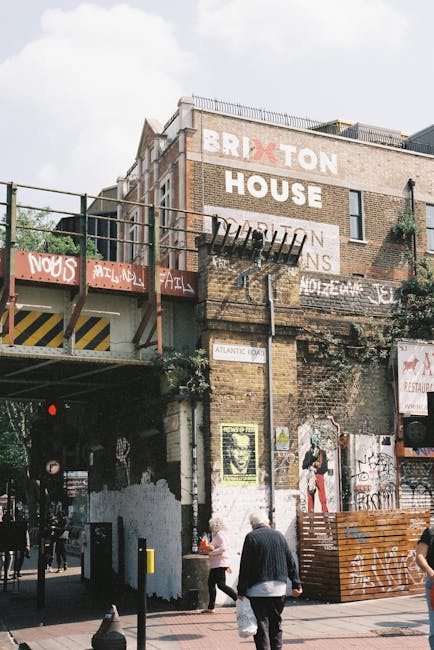
Brixton is a well-known district in south London within the London Borough of Lambeth, shaped by layers of transport history, market life and changing urban development. Its name is commonly linked to Brixton Hill and the old village settlement that grew along the route south of central London. The area sits within a busy inner-London landscape, with a strong mix of Victorian and later terraces, interwar housing, civic buildings and commercial streets that reflect long periods of adaptation rather than a single planned style. Brixton Underground station, on the Victoria line, gives the district a clear transport identity, while nearby Brixton railway station and bus routes add to its role as a local interchange. Brixton Market and the covered market arcades are among the best-known landmarks, helping define the area’s everyday rhythm through food, retail and social gathering. The district is also associated with cultural venues, live music, independent shops and a visible street market tradition that has remained part of its public character for decades. Windrush Square is another important public space, named in recognition of the Windrush generation and often used as a point of civic and cultural reference. Beyond the retail centre, Brixton includes residential streets, local parks and a dense pattern of housing that gives the neighbourhood a strong sense of urban continuity. Its architecture is varied rather than uniform, and that variety reflects both older building stock and later redevelopment. As a whole, Brixton combines heritage, movement and everyday local activity in a way that makes it distinctive within inner London.
Pricing factors and how to compare removal options

Removal pricing is usually shaped by the size of the load, the amount of labour involved, the distance travelled and the level of access at each property. A small flat move with straightforward loading will differ from a larger household relocation that involves more items, more handling or more time on site. It is also worth remembering that awkward access, long carries and heavy furniture can all influence how the work is scheduled.
When comparing options, try to compare like with like. A quote that covers only transport is not the same as one that includes lifting, loading and unloading support. Likewise, a service for a small van load is not the same as a full household removal. That is why a clear description of the move matters more than broad estimates. It helps you understand what is included and what the job actually requires.
If you want to move forward, keep the enquiry simple: share the essentials, say what type of service you need and ask for a quotation. You do not need to overstate the job or force every detail into the first message. A practical summary is enough to begin. For an organised Brixton removals enquiry, please request a quotation and we will help you plan the next step.