House removals on Coldharbour Lane made easy
Moving house is rarely just about boxes and a van. If you are planning house removals on Coldharbour Lane made easy, you are probably juggling a narrow street, busy traffic, awkward parking, stairs, and the usual last-minute panic over keys, cables, and the kettle. It can feel like a lot. Truth be told, the difference between a stressful move and a decent one usually comes down to planning, the right team, and knowing what to expect on the day.
This guide breaks everything down in plain English. You will get a practical view of how a local move on Coldharbour Lane works, what makes it easier, which mistakes to avoid, and how to prepare so the whole thing feels manageable rather than chaotic. If you want broader support for your move, you can also explore house removals, home moves, and the wider removal services available through the site.
Expert summary: Local house moves go more smoothly when access is checked early, packing starts before the deadline, and the removals team knows the building layout, parking situation, and any bulky items in advance. Simple, but it works.
Table of Contents
- Why House removals on Coldharbour Lane made easy Matters
- How House removals on Coldharbour Lane made easy Works
- Key Benefits and Practical Advantages
- Who This Is For and When It Makes Sense
- Step-by-Step Guidance
- Expert Tips for Better Results
- Common Mistakes to Avoid
- Tools, Resources and Recommendations
- Law, Compliance, Standards, or Best Practice
- Options, Methods, or Comparison Table
- Case Study or Real-World Example
- Practical Checklist
- Conclusion
- Frequently Asked Questions
Why House removals on Coldharbour Lane made easy Matters
Coldharbour Lane is a place where small problems can quickly become big ones. Parking can be tight, pavements can be busy, and access into some properties is not exactly generous. If you have ever tried to carry a wardrobe through a narrow hallway while someone is waiting for a key handover behind you, you will know the feeling. Not ideal.
That is why making the move easier is not just a nice-to-have. It saves time, reduces damage risk, and helps everyone stay calm. A well-run removal does more than transport furniture. It protects your belongings, keeps the property safe, and gives you breathing room on an already full day. When people search for local help, they are usually looking for something that feels reliable, straightforward, and not overcomplicated. Fair enough.
There is also the emotional side. Moving home can be tiring in a way that surprises people. One minute you are sorting cutlery; the next you are standing in a hallway at 7:30 in the evening, wondering why a box marked "misc" contains half the contents of your life. Good removals support takes pressure off that whole experience.
If you want reassurance on safety and care, it is worth looking at the company's insurance and safety approach and its health and safety policy. For many people, that is the difference between "they'll probably be fine" and "yes, I trust them with the sofa."
How House removals on Coldharbour Lane made easy Works
A local house move usually follows a simple pattern, even if the day itself feels anything but simple. First, you assess what is moving. Then you work out how much space, labour, and time it will take. After that comes the packing, loading, transport, unloading, and final placement in the new property. Straightforward on paper. In real life, a lot depends on access, timing, and how well the preparation has been done.
For a move on Coldharbour Lane, the process often starts with an accurate quote and a short conversation about the building, street access, and any items that need extra care. That may include awkward furniture, a heavy bed frame, mirrors, or a piano. If your move is small and you mainly need a driver plus loading help, a man with van or man and van setup may be enough. Larger family moves usually need a bigger vehicle, extra movers, or a dedicated team from house removalists.
A good removal plan also considers time windows. If keys are delayed, if the lift is out of service, or if parking is awkward, you want a team that can adjust without making the whole thing collapse. That kind of flexibility matters more than people expect.
And yes, sometimes the move needs extra support like packing and boxes, packing and unpacking services, or short-term storage if there is a gap between moving out and moving in. That is normal. Moving rarely happens in a perfect straight line.
Key Benefits and Practical Advantages
There are a few clear reasons people choose a structured removal service rather than trying to do everything themselves. Some are obvious. Some only become obvious after your back starts complaining.
- Less physical strain: Heavy lifting is hard work, especially on stairs, in tight hallways, or in older homes where the layout is not exactly moving-friendly.
- Better protection for furniture: Professional handling reduces the chance of scuffs, broken corners, and the dreaded chipped chest of drawers.
- Faster loading and unloading: A coordinated crew can usually move far more efficiently than a group of friends doing their best with no plan.
- Local route knowledge: On busy London roads, a team that understands access issues saves time and avoids awkward delays.
- More predictable costs: Clear quotes and the right vehicle size help you avoid the "we thought it would only take two trips" problem.
- Less disruption to the day: You can focus on handover, utilities, children, pets, or the million small things that happen on moving day.
There is also a quality-of-life benefit that people underestimate: when professionals handle the heavy work, you have more headspace. You can check the meter readings properly, confirm the new keys, and avoid that slightly dazed feeling that comes from lifting a dining table while also trying to answer a call from the estate agent. Not glamorous, but very real.
Who This Is For and When It Makes Sense
House removals on Coldharbour Lane made easy is for anyone who wants a move that feels controlled rather than improvised. That includes first-time buyers, renters changing flats, families moving between homes, and people downsizing after years of collecting more furniture than they expected. It also suits anyone with a deadline, limited parking, or a property with difficult access.
It makes particular sense if any of the following sound familiar:
- You live on an upper floor and do not want to carry everything down stairs.
- You own bulky furniture that needs careful handling.
- You are moving in or out on a tight schedule.
- You need help with packing, dismantling, or reassembly.
- You have items that would be awkward to move in a standard car, let alone on your own.
- You want a calmer experience and are willing to pay for convenience.
Some moves are simple enough for a smaller service, and some are not. A student leaving a one-bed flat with a few bags and a desk might only need a removal van or a man with van. A larger house with wardrobes, beds, white goods, and boxes stacked to the ceiling is a different story. There is no prize for choosing a tiny vehicle and making the whole day harder than it needs to be.
Step-by-Step Guidance
1. Start with access, not boxes
Before packing begins, work out how the vehicle will stop, where items will be carried from, and whether the property has stairs, a lift, or a narrow entrance. This is especially important on Coldharbour Lane, where street conditions and loading space can shape the whole move.
2. List what is actually moving
Walk through each room and note the large items first. Sofas, beds, wardrobes, appliances, and anything fragile or valuable should be on the list. It sounds basic, but an honest inventory stops a lot of drama later. In our experience, people often forget about garden furniture, mirrors, or the odd box in a cupboard until moving day. Oops.
3. Choose the right level of service
If you only need transport and lifting help, a smaller setup may be enough. If you want full packing support, look at packing and unpacking services. If the move is bigger, consider a dedicated team and a larger vehicle through removals or a proper moving truck.
4. Pack in stages
Start with items you do not use daily. Books, seasonal clothes, spare kitchenware, and decor can be boxed first. Leave essentials for last: phone chargers, medication, documents, tea bags, and toilet paper. Yes, toilet paper. Nobody wants to discover that after the van has driven off.
5. Label clearly
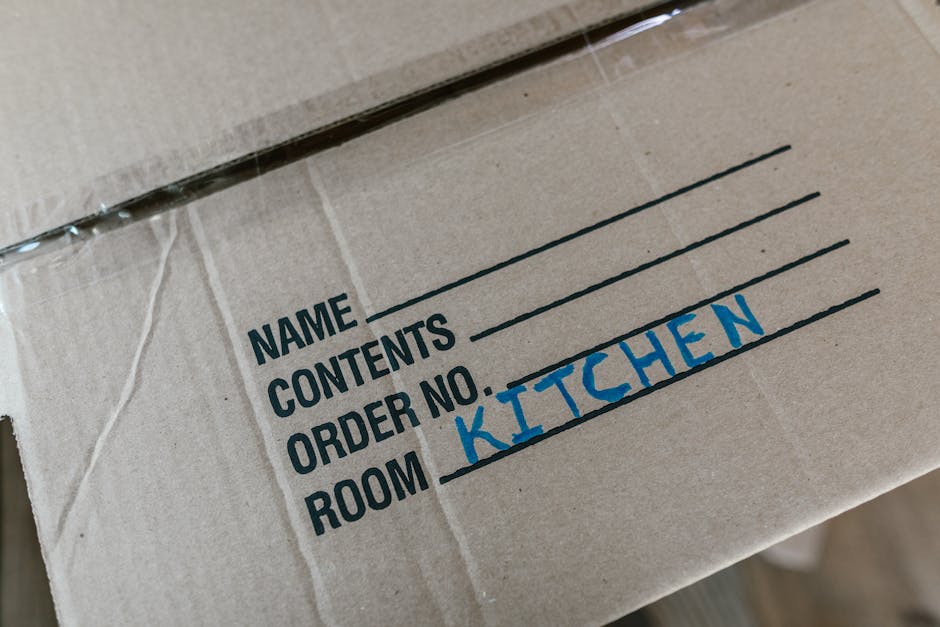
Write the room name and a short contents note on each box. "Kitchen - mugs, kettle, bits" is much better than "misc." If you are tired on the day, clear labels save time and prevent boxes from ending up in the wrong room.
6. Confirm timing and payment details
Check arrival time, what is included in the service, and how payment works. It is sensible to review the provider's pricing and quotes information, as well as payment and security and the terms and conditions. You do not want a pricing surprise right when you are carrying a mattress through a doorway.
7. Keep a small essentials bag with you
Put keys, chargers, snacks, documents, medication, and a change of clothes in one bag. Keep it separate from the van load. You will thank yourself later.
Expert Tips for Better Results
A few small choices can make a surprisingly big difference. The goal is not perfection. It is reducing friction wherever you can.
- Book early if your date is fixed: End-of-month moves, weekends, and school-holiday periods get busy quickly.
- Disassemble what can safely come apart: Beds, table legs, and some shelving units are easier to move in sections.
- Protect corners and surfaces: Blankets, covers, and proper wrapping reduce damage better than a hopeful shrug.
- Keep pathways clear: Even a tidy hallway can become a bottleneck if boxes are left in the way.
- Separate valuables: Documents, jewellery, and irreplaceable items are usually best kept with you.
- Tell the movers about awkward items in advance: That includes pianos, oversized sofas, or anything unusually heavy. A quick heads-up can save a lot of bother.
A little local awareness also helps. If the street is likely to be busy, give yourself more time than you think you need. The same goes for older properties and shared entrances. A move that looks easy from the outside can become fiddly the moment a sofa meets a tight corner. Happens all the time.
If you are comparing providers, it can help to look at the company's wider experience through about us and see whether they regularly handle different kinds of moves, from flat removals to more complex home moves. That context matters. A lot.
Common Mistakes to Avoid
Most moving-day problems are preventable. Not all of them, obviously. Life likes to keep a little chaos in reserve. But plenty can be avoided with a bit of planning.
- Underestimating access issues: Tight stairwells, no lift, and no parking space can slow everything down.
- Packing too late: Last-minute packing leads to broken items and forgotten essentials.
- Not measuring large furniture: A wardrobe that fits in the old place may not fit through the new front door, which is just one of those annoying truths.
- Choosing the wrong vehicle size: Too small means multiple trips; too large may be unnecessary.
- Forgetting insurance and handling responsibility: Check what is covered and how items should be prepared.
- Mixing essentials with general boxes: That is how you end up looking for a phone charger in box number 18 at 10 p.m.
One more thing: do not assume every move needs the same setup. A quick local job is not the same as moving a whole family home. If you need flexibility, same-day removals may be appropriate in some situations, but only if the timing, access, and volume all line up. If the job is bigger, forcing speed can backfire. Better to be realistic.
Tools, Resources and Recommendations
You do not need fancy equipment to move well, but a few practical items make life easier.
- Strong boxes: Especially for books, kitchen items, and general household bits.
- Packing tape and labels: Boring but indispensable.
- Furniture covers or blankets: Helpful for protecting wood, upholstery, and corners.
- Basic tools: Screwdrivers, Allen keys, and a small bag for fittings.
- Marker pens: Thick pens are easier to read at a glance.
- Cleaning cloths: Handy for a quick wipe before handover.
As a recommendation, use a removals partner that offers a clear scope of work and sensible support options. If you need help with heavy items, furniture removals can be a practical fit. If your move is larger or more business-like in structure, removal companies and a dedicated removal truck hire option may be worth considering.
For specialist items, the right skill set matters even more. Piano moves, for example, should be treated differently from ordinary furniture. If you have one, look for specific piano removals rather than hoping for the best with a couple of straps and good intentions. That route usually ends badly. Slightly funny in hindsight, less funny at the time.
Law, Compliance, Standards, or Best Practice
For a typical home move, you do not usually need to become a legal expert, but there are a few practical standards worth keeping in mind. A reputable removals provider should handle items carefully, communicate clearly about what is included, and explain how liability, insurance, and claims are dealt with. That is basic professional practice, even if the exact terms differ from one company to another.
You should also expect reasonable attention to safety. Lifting heavy objects safely, using the correct equipment, and protecting both property and people are part of good removals work. If a company talks openly about insurance and safety and its health and safety policy, that is a good sign. It shows they take the job seriously rather than treating it like a quick lucky dip.
On the environmental side, many customers now care about reuse and waste reduction. If that matters to you, it is sensible to ask how unwanted furniture, packaging, and reusable materials are handled. A provider with a recycling and sustainability approach is usually thinking beyond the moving day itself.
For personal and financial confidence, also review how your data is handled and how bookings are processed. The policies on privacy, security, and terms are not exciting reading, granted, but they do matter. The move is simpler when the admin is tidy.
Options, Methods, or Comparison Table
Here is a simple comparison to help you choose the right kind of support for a Coldharbour Lane move.
| Option | Best for | Strengths | Watch-outs |
|---|---|---|---|
| Man and van | Small moves, single rooms, lighter loads | Flexible, often quick, good for short local jobs | May not suit larger household furniture or multiple loads |
| Removal van with labour | Medium-sized moves and mixed furniture loads | More support than self-drive, easier on the day | Needs accurate item list to avoid underestimating space |
| Full house removals team | Whole-home moves, family moves, stair-heavy properties | Most organised, least physically demanding for you | Usually the most expensive option, though often better value overall |
| Storage plus removals | Moves with date gaps or temporary overflow | Useful when completion dates do not line up | Extra planning needed for split deliveries |
The best option is not always the cheapest one. It is the one that matches the actual job. That might sound obvious, but people still get caught out by it. A small van for a big flat move is a classic mistake. So is paying for a large crew when the job really only needs a careful two-person team and one good vehicle.
Case Study or Real-World Example
Here is a realistic example. A couple moved out of a two-bedroom flat off Coldharbour Lane into a nearby house. They had a sofa, two beds, a dining table, several boxy bits of flat-pack furniture, and far more kitchenware than they had realised. The stairwell in the flat was narrow, and the front access could only handle loading at a particular time of day.
Instead of trying to wing it, they booked a service that included loading support, a suitable vehicle, and help with dismantling the beds. They packed the non-essentials a week ahead, labelled the boxes by room, and kept one essentials bag with documents, chargers, snacks, and cleaning supplies. Nothing dramatic. Just organised.
On moving day, the job ran steadily because the team knew the property layout before arriving. The large items came out first, fragile boxes were kept separate, and the sofa required a bit of creative angling but no panic. There was still the usual moment where somebody said, "Where's the kettle?" right before the kettle was found. Of course.
The big win was not speed alone. It was the lack of stress. They did not spend the afternoon making rushed decisions or carrying heavy items while exhausted. That is really the point of making house removals easier in the first place.
Practical Checklist
Use this checklist in the days before your move. It is not glamorous, but it works.
- Confirm the moving date and access times.
- Check parking or loading arrangements.
- Measure large furniture and key doorways.
- Book the right type of removals support.
- Pack non-essential items first.
- Label boxes by room and contents.
- Keep documents, keys, medication, and chargers with you.
- Protect fragile items with proper wrapping.
- Disassemble furniture that can be safely taken apart.
- Review pricing, payment, insurance, and terms before the move.
- Set aside cleaning supplies for the old and new property.
- Take final meter readings and photos if needed.
If you want a quick next step, start by comparing the type of help you need against the size of your property and the access on Coldharbour Lane. That one decision solves half the problem.
Conclusion
House removals on Coldharbour Lane made easy is really about removing friction from a day that already has enough moving parts. When you plan the access, pack early, choose the right level of support, and keep the paperwork simple, the whole experience becomes far more manageable. Not flawless. Just easier. And easier is what most people need.
Whether you are moving a small flat, a full family home, or a place with one awkward staircase and a sofa that seems to have opinions of its own, the best approach is calm, practical, and local. That way, you spend less time worrying and more time settling in. Which, let's face it, is the bit that actually matters.
Get a free quote today and see how much you can save.
Frequently Asked Questions
How do I make house removals on Coldharbour Lane less stressful?
Start early, pack in stages, and choose a removals service that understands local access challenges. The more clearly you explain your property, the smoother the move tends to be.
Is a man with van enough for a Coldharbour Lane house move?
Sometimes, yes. It depends on the size of the property, how much furniture you have, and whether there are stairs or awkward access points. Small, light moves may suit that setup, but bigger homes usually need more support.
Should I pack everything myself or use packing help?
If you are short on time or have fragile items, packing help can be well worth it. Self-packing is fine for simple moves, but it often takes longer than people expect.
What should I do with furniture that does not fit in the new place?
Measure before moving day if possible. If an item will not fit, you may need to store it temporarily, sell it, donate it, or arrange a separate furniture removal solution.
How far in advance should I book removals?
As early as you can if your date is fixed. Busy periods fill up quickly, especially at month-end and weekends. Early booking also gives you more time to plan properly.
What if I need removals at short notice?
Short-notice help may be possible, including same-day removals in some cases. Availability depends on the workload, the move size, and how straightforward the access is.
Are house removals insured?
Reputable providers should be able to explain their insurance and safety arrangements clearly. Always ask what is covered, how items should be packed, and what happens if something is damaged.
Do I need storage if my move dates do not line up?
If there is a gap between leaving one property and entering the next, storage can make the process much easier. It is also useful if you want to move some items later rather than all at once.
What items need special care during a move?
Glass, mirrors, artwork, electronics, pianos, and heavy solid furniture all need careful handling. Mention them early so the right equipment and timing can be planned.
How can I save money on a house removal?
Pack ahead of time, reduce clutter before moving, choose the right vehicle size, and avoid last-minute changes. A clear quote and accurate inventory often save money in the long run.
What should I check before accepting a removals quote?
Check what is included, whether loading and unloading are covered, how payment works, what happens if timings change, and whether insurance arrangements are explained clearly.
Can removals teams help with flat moves as well as houses?
Yes. Many teams handle both, and the best choice often depends on the property layout rather than the label alone. If your home is a flat with stairs, access matters more than anything else.